

A birth defect where the esophagus does not connect properly and may form an abnormal connection with the trachea.
Thickening of the stomach outlet (pylorus) causing vomiting and feeding difficulty.
Blockage or absence of a part of the first part of the small intestine (duodenum).
Blockage or absence in the middle portion of the small intestine.
Blockage or absence in a part of the large intestine.
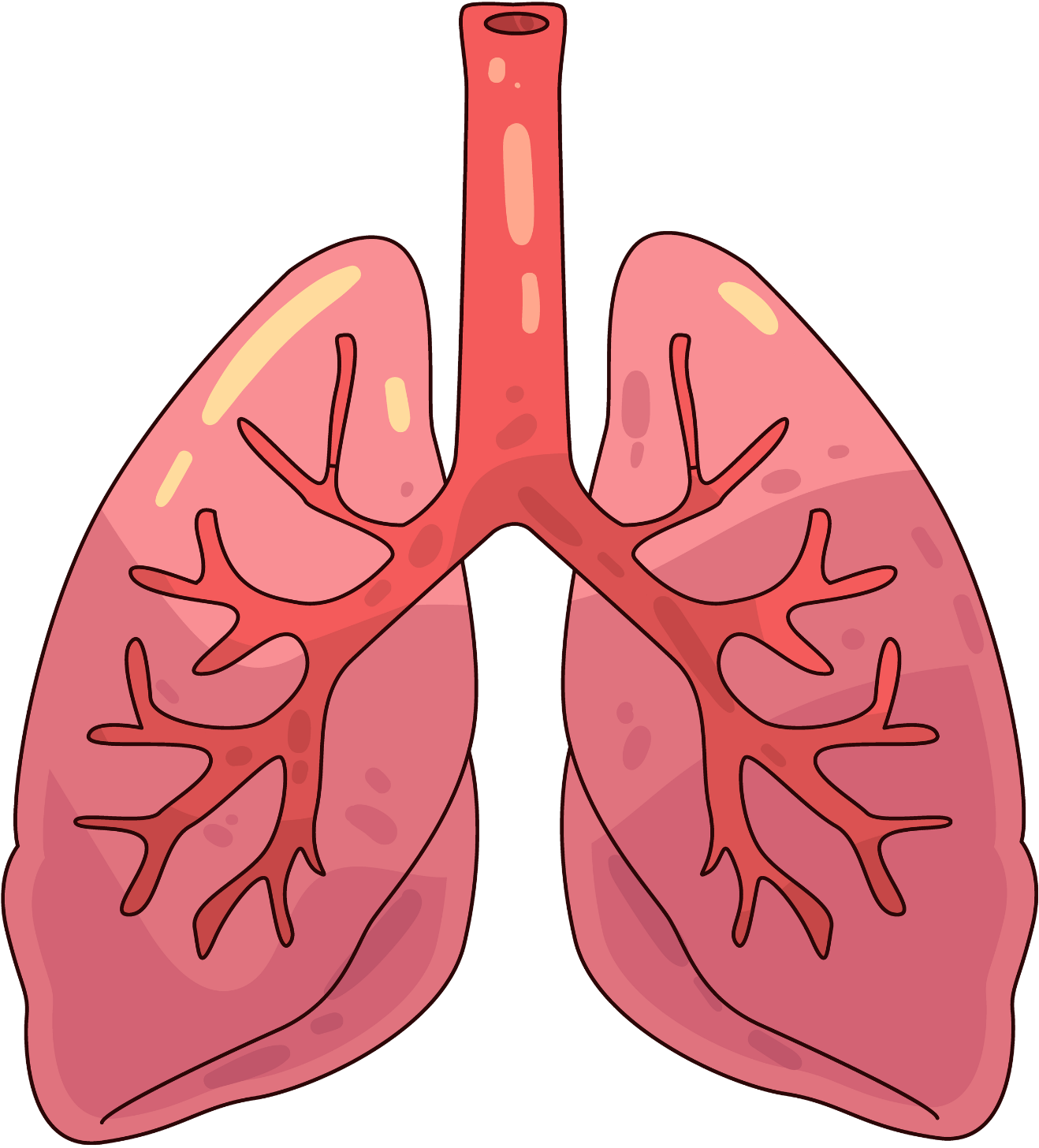
A defect in the diaphragm allowing abdominal organs to move into the chest, affecting lung development and breathing.
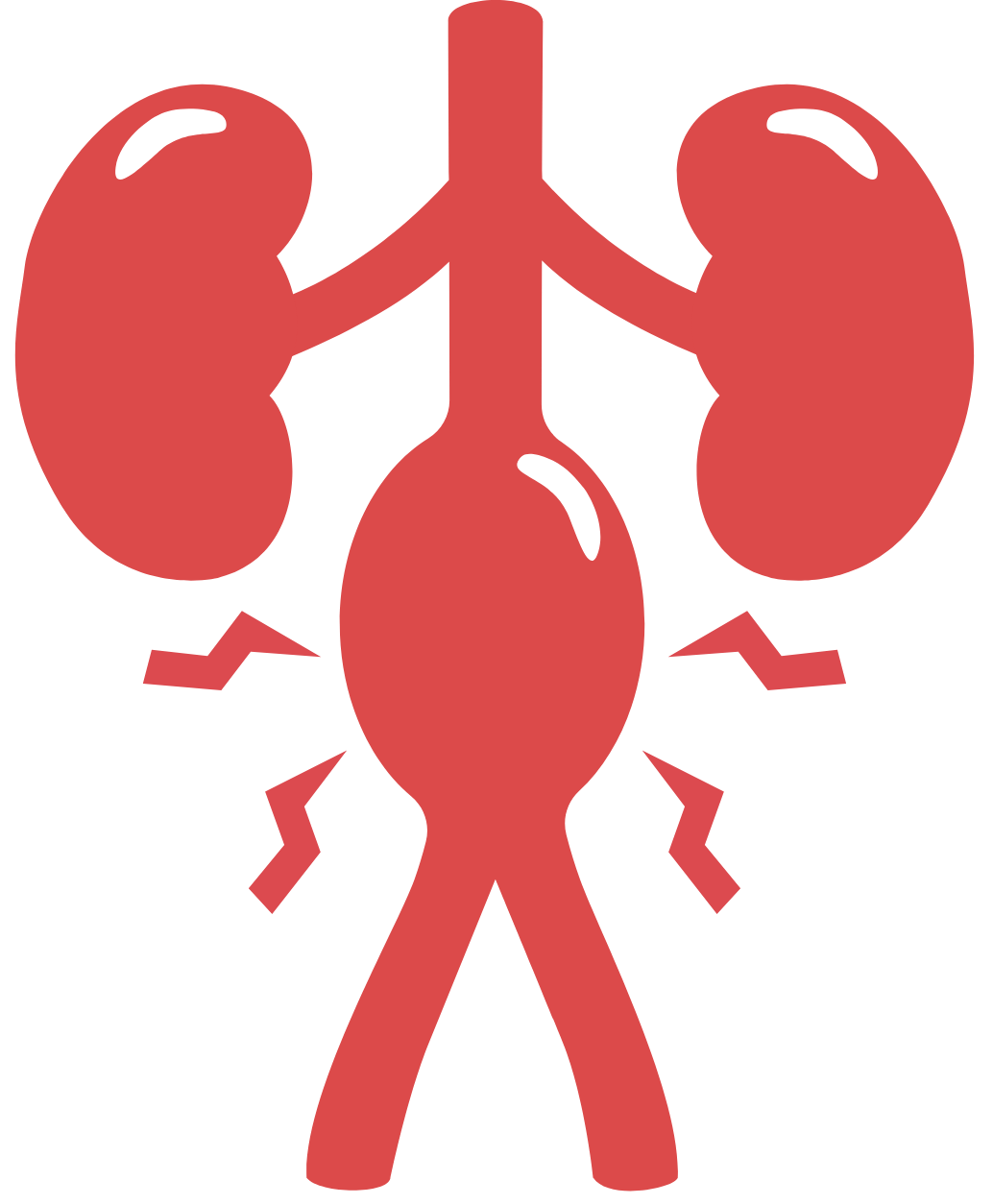
Intestines are located outside the abdomen through an opening beside the navel.
Abdominal organs protrude through the navel, covered by a membrane.
A rare condition where intestines appear in the umbilical cord.
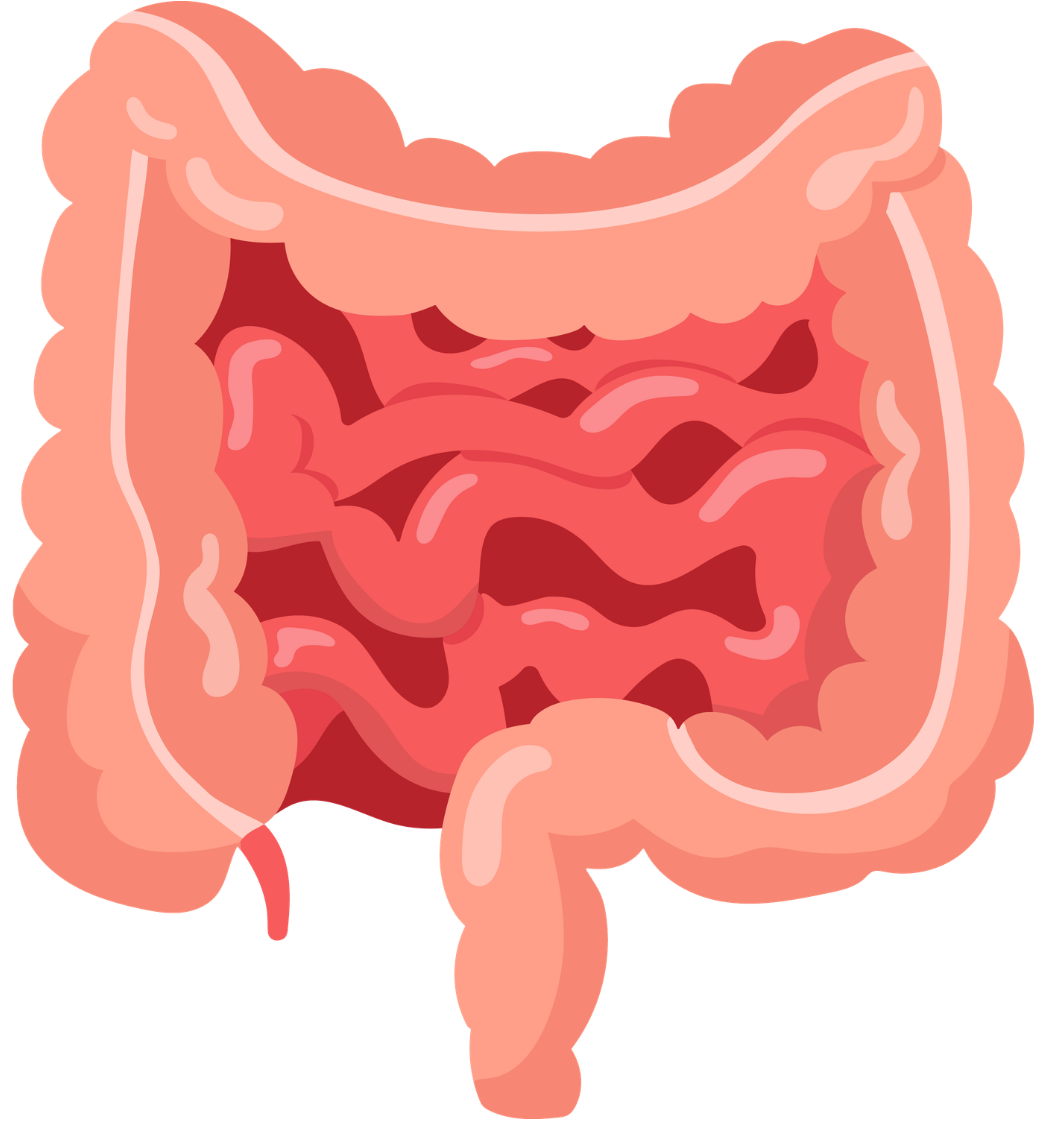
Blockage of the intestine with thick meconium (substance).
Inflammation of the abdominal lining due to intestinal perforation from meconium.
Twisting of the intestine due to abnormal position, a surgical emergency.
Absence of nerve cells in a part of the colon causing obstruction and constipation.
Ahnormal development of the anus and rectum.
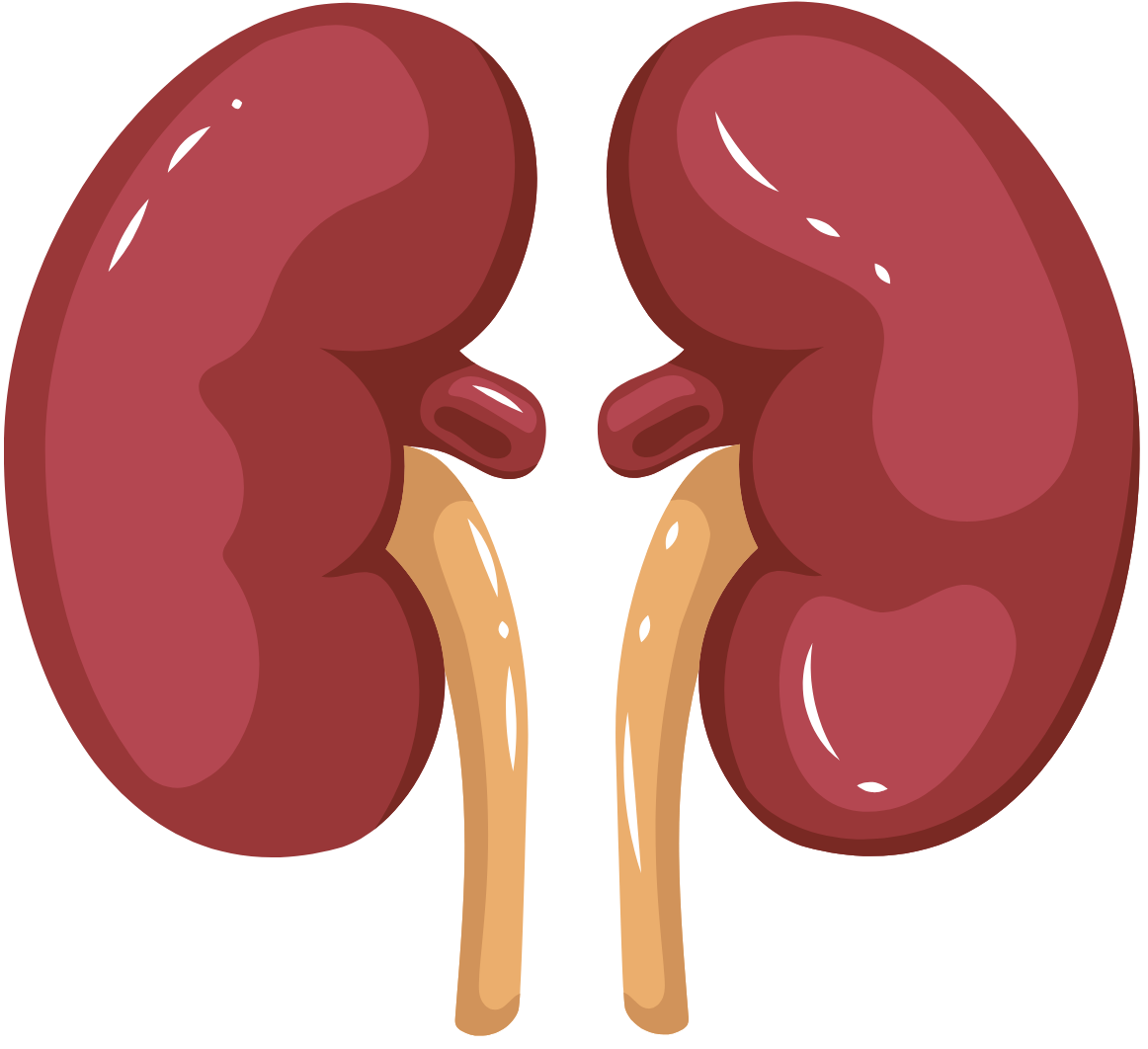
Obstructive membrane in the urethra of male newborns causing difficulty in passing urine and affecting kidney function.